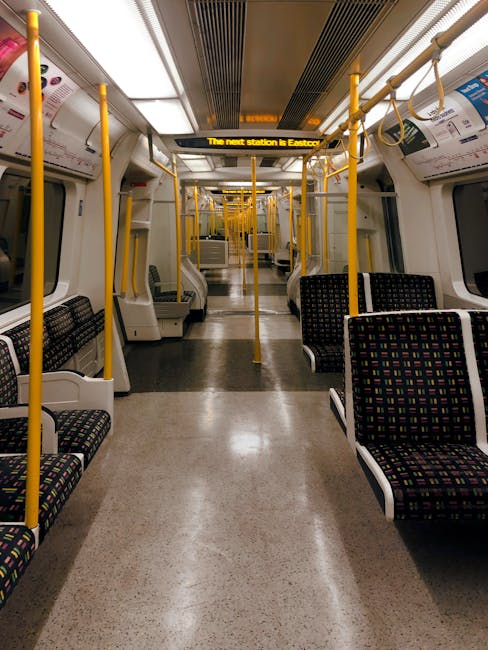
Upholstery cleaning near High Barnet tube station: a practical local guide for cleaner, fresher furniture
If you are searching for Upholstery cleaning near High Barnet tube station, chances are your sofa, armchair, dining chairs, or office seating has simply reached that awkward point where vacuuming is no longer enough. Maybe there is a pale coffee ring that keeps bothering you. Maybe the fabric looks flat and tired after a few winters. Or maybe you have noticed a faint smell that hangs around no matter how many cushions you plump up. Truth be told, upholstery ages quietly, then all at once.
This guide explains what professional upholstery cleaning involves, when it makes sense, how the process works, and what to expect if you want a service close to High Barnet station. You will also find practical tips, a comparison table, a checklist, and a few common mistakes to avoid. The aim is simple: help you make a sensible decision without faff.
Why Upholstery cleaning near High Barnet tube station Matters
Upholstery is one of those things you stop noticing until it starts letting the room down. In a busy home near High Barnet, a sofa or armchair can collect everyday grime surprisingly fast: body oils, crumbs, pet hair, dust, drink spills, and the general wear that comes from real life. The same goes for offices, waiting rooms, rentals, and short-let spaces. Seating sees a lot, even if it does not complain.
Cleaning upholstery properly matters because fabric furniture is not just decorative. It affects how a room feels, how hygienic it is, and how long the furniture lasts. A well-cleaned sofa can make a whole lounge feel brighter. A neglected one can make the space feel a bit heavy, even if the rest of the room is tidy.
There is also a practical side. If you rent out a property, manage a shared space, or simply want to keep furniture in good shape, regular upholstery care can delay replacement. That matters because furniture is rarely cheap, and replacing it before its time is a hassle nobody enjoys.
For local residents and businesses near the station, convenience counts too. Booking upholstery cleaning nearby usually means less travel disruption, easier access, and a more flexible appointment window. That sounds small, but on a packed day, small things matter.
If you are building a wider cleaning plan for the home, it can also make sense to combine upholstery care with house cleaning, one-off cleaning, or deep cleaning so the furniture does not get cleaned in isolation and then immediately picked up by a dusty environment again.
How Upholstery cleaning near High Barnet tube station Works
Professional upholstery cleaning is usually a staged process. The exact method depends on the fabric, the stain type, the furniture age, and how delicate the item is. Good cleaners do not rush in with a machine and hope for the best. They inspect first. That part matters more than people realise.
The process often begins with a fibre and fabric check. Natural fabrics, synthetics, velvet, leather, and blended materials all behave differently. A safe approach for one might be unsuitable for another. A decent technician will look for care labels, test a small patch, and decide whether hot water extraction, low-moisture cleaning, specialised spot treatment, or dry methods are best.
Next comes pre-treatment. This usually means loosening embedded dirt and treating stains before the main clean. Everyday soil is easier to remove once it has been broken down a little. For oily marks, food residue, pet stains, or drink spills, this stage can make a real difference. It is where experience shows.
Then the main clean happens. Depending on the item, this might include steam-based extraction, controlled water extraction, or targeted solvent or foam treatment. Upholstery is delicate compared with carpet, so the goal is not to soak it. The goal is to clean deeply while keeping drying times sensible and avoiding damage to stitching, padding, and colour.
Finally, the furniture is checked, groomed where appropriate, and left to dry properly. Good airflow helps. Open windows, a bit of heat, and normal ventilation can speed things along. You do not want to use the piece too soon, especially if cushions are still holding moisture.
If pet smells or lingering marks are part of the problem, it may also help to look at pet stain and odour removal or stain removal alongside upholstery cleaning. Those issues are often related, and treating only one layer of the problem can leave the other behind.
Key Benefits and Practical Advantages
Clean upholstery is about more than looking nice. There are some very practical benefits, and they add up quickly.
- Better appearance: Fabrics look brighter, patterns become clearer, and the whole room feels less worn.
- Improved hygiene: Dirt, allergens, and everyday buildup are reduced, which helps the furniture feel fresher.
- Longer furniture life: Regular cleaning helps prevent grime from breaking down fibres over time.
- Odour reduction: Spills, food smells, smoke residue, and pet odours are less likely to linger.
- Better first impressions: This matters in homes, rentals, guest spaces, and customer-facing businesses.
- More value from existing furniture: A good clean can postpone replacement by months or even longer.
There is also a subtle comfort benefit. Clean seating simply feels better to use. You sit down and it feels cared for. It is not dramatic, but you notice it. Especially on a grey London afternoon, when a room already needs a bit of warmth.
For landlords and letting agents, upholstery cleaning can support better handovers and fewer complaints about condition. For businesses, it helps reception areas, treatment rooms, and meeting spaces feel more professional. For families, it is often about sensible upkeep and not letting life's little accidents build up.
And yes, the difference can be surprisingly visible. People often think they just need a "quick freshen-up", then once the clean is done they realise how much dulling dirt had built up across the seat arms and cushions. Funny how that happens.
Who This Is For and When It Makes Sense
Upholstery cleaning is useful for more people than you might expect. It is not only for spotless homes or expensive furniture. In fact, many of the people who benefit most are the ones living normal, busy lives.
Homeowners and tenants
If your sofa is the main family seat, it will get everything: snacks, homework, dog hair, tired feet, and the odd spill. Tenants may want a cleaner finish before moving out, while homeowners may simply want a fresher living space.
Landlords and letting agents
Fabric furniture often forms part of the furnishing package in rentals. Cleaning it between occupancies is a sensible move, especially if the item is still structurally sound but looks a bit marked. It can pair naturally with end of tenancy cleaning or move out cleaning.
Offices and commercial spaces
Waiting-room chairs, breakout seating, and office sofas pick up dirt from constant use. In commercial settings, upholstery cleaning supports a more polished impression and can be scheduled around business hours if needed. For broader workplace upkeep, office cleaning and commercial cleaning can complement it well.
Pet owners
Pets are lovely. Pets are also wonderfully skilled at making soft furnishings smell "lived in". If you have a dog or cat, occasional specialist cleaning is often more effective than trying to manage with household products alone.
After illness, renovations, or a busy season
Sometimes there is a clear trigger. A house full of visitors. Builders in and out. A winter of closed windows. A short-let property that has seen a lot of turnover. In those moments, upholstery cleaning becomes part of a reset rather than just maintenance. If the home has just had more dust than usual, pairing it with after builders cleaning can make sense.
When does it make sense to book? Usually when the furniture looks flat, smells stale, feels tacky to the touch, or has visible marks that do not lift with basic care. If you are hesitating, ask yourself: would this item look noticeably better after a proper clean, or is it already past the point of saving? That honest question helps.
Step-by-Step Guidance
If you want to understand what a good upholstery clean should look like, the best way is to think in stages. Not all providers work the same way, but a sensible process usually follows this structure.
- Initial inspection. The cleaner checks fabric type, wear, stains, and any problem areas. This is where suitability is confirmed.
- Dry soil removal. Loose dust, crumbs, pet hair, and grit are removed first. Skipping this step is a bit like painting over dust - not ideal.
- Spot testing. A small hidden area is tested to make sure the chosen method will not damage the fabric or alter the colour.
- Pre-treatment. Stains and high-traffic marks are treated before the main clean.
- Main cleaning. The technician uses the best method for the item, whether that is steam extraction, low-moisture work, or another fabric-safe approach.
- Detail work. Armrests, seams, cushions, and edges are cleaned carefully. Those are often the most neglected bits.
- Drying guidance. You are told how long to leave the furniture to dry and how to improve airflow.
If you are preparing for a visit, move small items off the furniture, check for loose change and remote controls, and tell the cleaner about any previous treatment you have used. That last part matters more than people think. Some household cleaners leave residues that react badly with professional products. Not always, but enough to be worth mentioning.
A good provider will also be upfront if a stain may not fully disappear. That kind of honesty is a strong sign, not a weakness. Fabric ageing, dye transfer, and old heat-set marks can be stubborn. Better to know before the job than after.
Expert Tips for Better Results
Small choices before and after the clean can make the result last longer. Here are the things that usually help most.
- Vacuum regularly between professional cleans. Dry soil wears fibres down. It is simple, but effective.
- Act quickly on spills. Blot, do not rub. Rubbing pushes the spill deeper and can rough up the fabric.
- Use the right attachment. A gentle upholstery tool is usually safer than a rough brush head.
- Keep a note of the fabric type. If the care label is still there, brilliant. If not, tell the cleaner what you know about the item.
- Rotate cushions where possible. It helps wear more evenly. Not a miracle fix, but worth doing.
- Improve airflow after cleaning. Open a window or run ventilation to support drying.
If you have a delicate piece - velvet, linen blend, antique upholstery, or anything with loose weave - do not improvise with strong products. That's where trouble starts. A technician who knows fabric handling will take a slower, more careful route.
One more practical point: if the room itself is dusty, clean the room first or at the same time. Otherwise the freshly cleaned sofa can pick up airborne dust sooner than it should. Bit annoying, that.
Common Mistakes to Avoid
Most upholstery damage does not come from the original stain. It comes from the wrong attempt to fix the stain. That is the awkward truth.
- Using too much water. Over-wetting can lead to slow drying, odour, and even fabric distortion.
- Scrubbing aggressively. This can spread the stain and damage the pile or weave.
- Testing nothing first. Even "safe" products can behave differently on older fabrics.
- Ignoring the cushion inner. Surface cleaning alone may not solve smells if the filling has absorbed moisture or odour.
- Using the wrong DIY product. Bleach-based cleaners and strong household chemicals can cause permanent damage.
- Putting furniture back into use too soon. Rushing drying time can undo the clean and leave unpleasant dampness.
Another common mistake is assuming all stains are the same. Coffee is not the same as ink. Grease is not the same as mud. Pet accidents are their own category entirely, and often need a different approach from food spills. That is why "one spray fits all" is rarely a good idea.
To be fair, most people are not trying to cause damage. They just want the sofa to look better quickly. But quick fixes are where a lot of the expensive mistakes happen.
Tools, Resources and Recommendations
A professional upholstery cleaning service typically uses a mix of inspection tools, extraction equipment, spot treatments, and fabric-safe detergents. The important thing is not the flashy machine. It is whether the method matches the fabric and the problem.
For a homeowner or manager planning ahead, these are the most useful things to think about:
- Fabric care labels: These provide useful clues, even if they are a bit faded.
- Vacuum with upholstery attachment: Handy for weekly upkeep.
- White microfibre cloths: Better for blotting spills without transferring dye.
- Gentle airflow: Fans or open windows help drying after a professional clean.
- Barrier habits: Throws, washable covers, and routine maintenance can reduce repeat staining.
If you are looking for a broader refresh, it can be useful to combine upholstery work with sofa cleaning, curtain cleaning, or rug cleaning. Those items tend to collect dust together, so cleaning one without the others can feel a bit unfinished.
For customers comparing services, pricing clarity also matters. A straightforward provider should explain what is included, whether stain treatment is extra, and how drying time may vary. If you want to compare options carefully, the page on pricing and quotes is a useful place to start, especially if you are trying to balance budget and urgency.
Law, Compliance, Standards, or Best Practice
Upholstery cleaning is not usually a heavily regulated service in the way some specialist trades are, but good providers still need to work to clear standards. In practice, that means safe handling, honest communication, sensible product use, and respect for client property.
In the UK, a trustworthy cleaning company should be clear about health and safety, insurance, terms, and complaint handling. Those are not decorative policies; they tell you how the business behaves when something does not go perfectly, which is when trust really gets tested. You can usually get a better feel for this by reading the company's health and safety policy, insurance and safety information, and terms and conditions.
Best practice also means consent and care. A technician should not use a treatment that is unsuitable for the fabric just to save time. Likewise, if a stain is likely permanent, it should be explained honestly. That is part of quality service, full stop.
For businesses, especially offices and communal spaces, attention to access, working hours, and risk control is sensible too. If the upholstery is in a shared building, it may sit alongside other services like communal area cleaning or commercial carpet cleaning. In those settings, neat scheduling and clear communication help avoid disruption.
And if you care about disposal and product choice, some firms also explain their approach to recycling and sustainability. That is increasingly relevant, especially for customers who want a cleaner home without unnecessary waste.
Options, Methods, or Comparison Table
Different upholstery cleaning methods suit different situations. Here is a simple comparison to help you weigh the options.
| Method | Best for | Strengths | Watch-outs |
|---|---|---|---|
| Hot water extraction | Many synthetic fabrics, sofas, chairs, general deep cleaning | Deep soil removal, good for regular refreshes | May not suit delicate fabrics; drying time matters |
| Low-moisture cleaning | Sensitive fabrics, quicker turnarounds | Faster drying, controlled application | May need more targeted stain work |
| Spot treatment only | Small isolated marks | Useful for minor incidents | Won't refresh the whole item |
| Dry or foam-based methods | Some delicate upholstery and lightly soiled items | Gentler on certain textiles | Not ideal for all stain types |
So which is best? That depends on the item. A heavily used family sofa usually needs more than a surface freshen-up. A decorative chair in a reception room might benefit from a gentler method. There is no single answer, and anyone pretending otherwise is overselling it.
If the upholstery is only part of a wider cleaning project, it can be smart to pair the method with regular cleaning or domestic cleaning to keep the surroundings from undoing the result too quickly.
Case Study or Real-World Example
A typical local example goes like this. A couple living near High Barnet station had a three-seater sofa that had started looking tired after years of family use. The middle seat was slightly flattened, the armrests had dark patches, and there was a faint smell from a pet who loved to curl up there on rainy evenings.
They had already tried supermarket upholstery spray and a handheld gadget. It improved the appearance for a day or two, then the marks came back. Not surprising, really. The problem was deeper than surface dirt.
A proper upholstery clean began with a fabric check and careful testing on a hidden area. The technician treated the arm marks first, then worked across the cushions and seat base with controlled moisture and extraction. The pet smell was addressed separately because odour and visible dirt often need different treatment. Drying was managed with ventilation advice and a clear aftercare plan.
The end result was not just a cleaner sofa. The room felt lighter. The fabric looked less flat. The smell had gone from "slightly lived in" to simply normal. That was enough to make the space pleasant again without replacing the furniture. And yes, that probably saved them a fair bit compared with buying new.
That kind of outcome is common when the right method is matched to the right problem. It is not magic. It is just good process, carried out carefully.
Practical Checklist
Use this quick checklist before you book upholstery cleaning near High Barnet tube station.
- Identify the furniture type and fabric if you can.
- Check for a care label or past cleaning instructions.
- Note the main issue: stains, odour, dullness, pet hair, or general wear.
- Tell the cleaner about any previous DIY products used.
- Move small items and clear access around the furniture.
- Ask how long drying is likely to take.
- Confirm whether stain treatment is included or separate.
- Ask about insurance, safety, and complaint handling if you want extra reassurance.
- Plan for airflow after the clean.
- Avoid using the furniture until it is properly dry.
That is a lot of boxes, but most of them take only a minute. A little prep tends to pay off.
Conclusion
Upholstery cleaning near High Barnet tube station is one of those services that feels modest before you book it and surprisingly worthwhile afterwards. Clean fabric changes how a room looks, how it smells, and how comfortable it feels to live in. It also helps protect furniture that may still have a lot of life left in it.
If you remember only one thing, make it this: the best results come from choosing the right method for the right fabric, not from the strongest product or the fastest promise. A careful clean beats a messy quick fix every time. And honestly, your sofa will thank you for it in its own quiet way.
If you are comparing services and want a simple next step, start with the service pages that explain the work in more detail, then check the business information so you know what is included and how the job is handled. A little due diligence goes a long way.
Get a free quote today and see how much you can save.
And if the room feels a bit more welcoming afterwards, well, that is the nice part. The one you notice when you sit down with a cup of tea and everything just feels cleaner.
Frequently Asked Questions
What does upholstery cleaning near High Barnet tube station usually include?
It usually includes inspection, fabric assessment, dry soil removal, stain pre-treatment, the main clean, and drying advice. Some jobs also need odour treatment or special handling for delicate fabrics.
How often should I clean upholstered furniture?
For most homes, a professional clean every 12 to 18 months is a sensible starting point. Busy family homes, homes with pets, and commercial seating may need it more often.
Can all upholstery fabrics be steam cleaned?
No. Some fabrics handle steam or extraction well, while others need a gentler low-moisture or dry method. A fabric test first is essential.
Will upholstery cleaning remove old stains completely?
Not always. Fresh stains are generally easier to remove than old ones. Some marks, especially dye transfer or heat-set stains, may improve but not disappear fully.
How long does upholstery take to dry?
Drying time depends on the fabric, method, room temperature, and airflow. In many cases, it can take several hours, though some items may take longer.
Is upholstery cleaning worth it for a worn-looking sofa?
Often yes, as long as the frame and fabric are still in decent condition. A proper clean can restore a lot of the original look and feel, even if some wear remains.
What should I do before the cleaner arrives?
Clear small items from the furniture, vacuum lightly if needed, and let the technician know about any stains, pet odours, or previous cleaning products used.
Can upholstery cleaning help with pet smells?
Yes, but odour often needs more than a surface clean. The technician may need to treat the fabric and, where necessary, the padding or affected areas more carefully.
Is it better to clean the sofa or the whole room at the same time?
If the room is dusty or the furniture is part of a broader refresh, doing both together can be smarter. Otherwise, the newly cleaned upholstery may pick up dirt again quickly.
How do I know if a cleaner is suitable for delicate furniture?
They should inspect the item, test a small hidden area, explain the method clearly, and avoid promising a one-size-fits-all result. Good upholstery cleaners are careful, not reckless.
What is the difference between sofa cleaning and upholstery cleaning?
Sofa cleaning is a type of upholstery cleaning focused on sofas. Upholstery cleaning is broader and can include armchairs, dining chairs, office seating, benches, and other fabric-covered furniture.
Should I choose the cheapest quote?
Not automatically. Price matters, but so do fabric safety, insurance, clarity about what is included, and the likelihood of a proper result. The cheapest quote can be the most expensive mistake if it damages the fabric.
What if I also need other cleaning work done?
If you need a wider reset, upholstery cleaning often pairs well with domestic, deep, office, or end-of-tenancy services. Choosing related services together can save time and keep the finish more consistent.